Streams & Rivers
Canoeing and rafting safety: read the river, know your exits, and pack the gear that keeps a tip-over from becoming a tragedy.
How to Read the Gauges
Every USGS gauge reports two main numbers. Learn what they mean and you can judge any river before you launch.
Gage height (ft)
How far the water surface sits above a fixed reference point at the gauge. It is NOT the depth everywhere — it is one number measured at one spot, used to track how high the river is running compared to other days.
Discharge (CFS)
Cubic feet per second — the volume of water passing the gauge every second. A lazy creek might read 50–150 CFS; a solid paddling river a few thousand; 10,000+ is a major, pushy river. CFS is the best number for comparing to normal.
Rising or falling?
Look at the trend shown on each gauge card. Rising water after (or upstream of) rain is the dangerous combination — the river keeps climbing even if the current number looks normal. Falling water is safer, but can still be running high.
Is the trip safe?
Compare today’s number to the level you (or the gauge’s normal range) have paddled before. Noticeably higher or rising fast = postpone. Very low = exposed rocks and strainers. Also weigh cold water and your group’s experience.
Rule of thumb: if the gauge is climbing, the water is colder than you expected, or the reading is well above what the river ran at on your last good trip — save it for another day. No trip is worth a swim in a rising river.
Live USGS Stream Gauges
Current water level and flow near your location
Couldn't load gauges
Request failed with status code 500
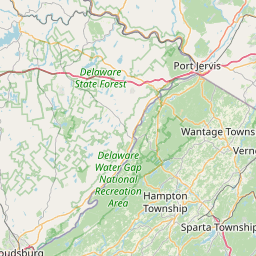
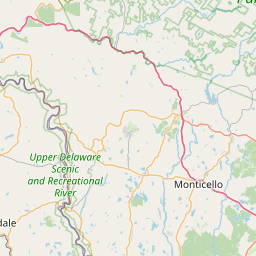
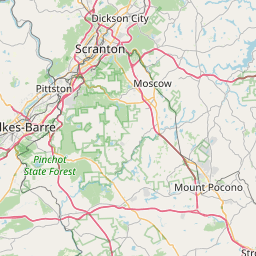
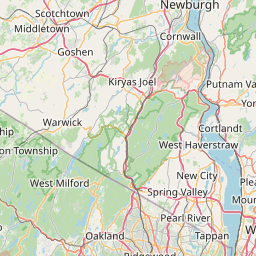
Delaware River Map
Barryville, NY to Stroudsburg, PA — live gauges, launches and local knowledge
Request failed with status code 500
Nationwide Rivers Inventory
Wild & Scenic-eligible river segments within 50 miles (NPS data)
Before You Launch — River Danger Check
Run this at the put-in every single time. Conditions change overnight.
Weather & Water Level
Banks & Escapes
Wildlife & Hazards
Canoeing & Rafting Safety
Wear the PFD. Always.
Most paddling deaths happen to good swimmers not wearing one. Cold water and current defeat swimming skill in seconds — the vest does not.
Last night’s rain changes everything
A river you paddled safely all summer can turn deadly overnight: faster current, new strainers, submerged rocks and 5° colder water. If it rained, re-scout or postpone.
Know your exits before you need them
Scout both banks. Steep sides mean you may only get one climbable spot for miles — know where it is and how to reach it from every rapid.
If you tip over
Stay on the upstream side of the canoe so it cannot pin you. Float feet-first on your back, feet up, angled to the shore. Get to an eddy or your marked exit — never try to stand in moving water above knee depth.
Read the water
Downstream V’s mark clean channels; upstream V’s and Horizon Lines (where the river disappears) mark drops that deserve a scout. Dark flat water can still be deep or snaggled.
Strainers kill
Water flows through a fallen tree, people do not. Current presses you against the branches and holds you under. Portage around every strainer — never run one.
Snakes sun on the banks
Cottonmouths and copperheads rest on logs, rocks and overhanging banks — exactly where you grab to climb out. Look before your hands or feet touch anything.
Save the boat last
People first, then paddles, then the canoe. A pinned boat is replaceable; a pinned person is not. If the boat wraps on a rock, do not get upstream of it.
River Trip Gear Checklist
Life preservers, throw ropes and everything else that belongs in the boat.