Bear Encounter Guide
Complete, expert guidance on identifying North American bears and responding safely during hiking, biking, camping, and canoeing. Knowing the difference between species — and what to do — can save your life.
Know Your Bears
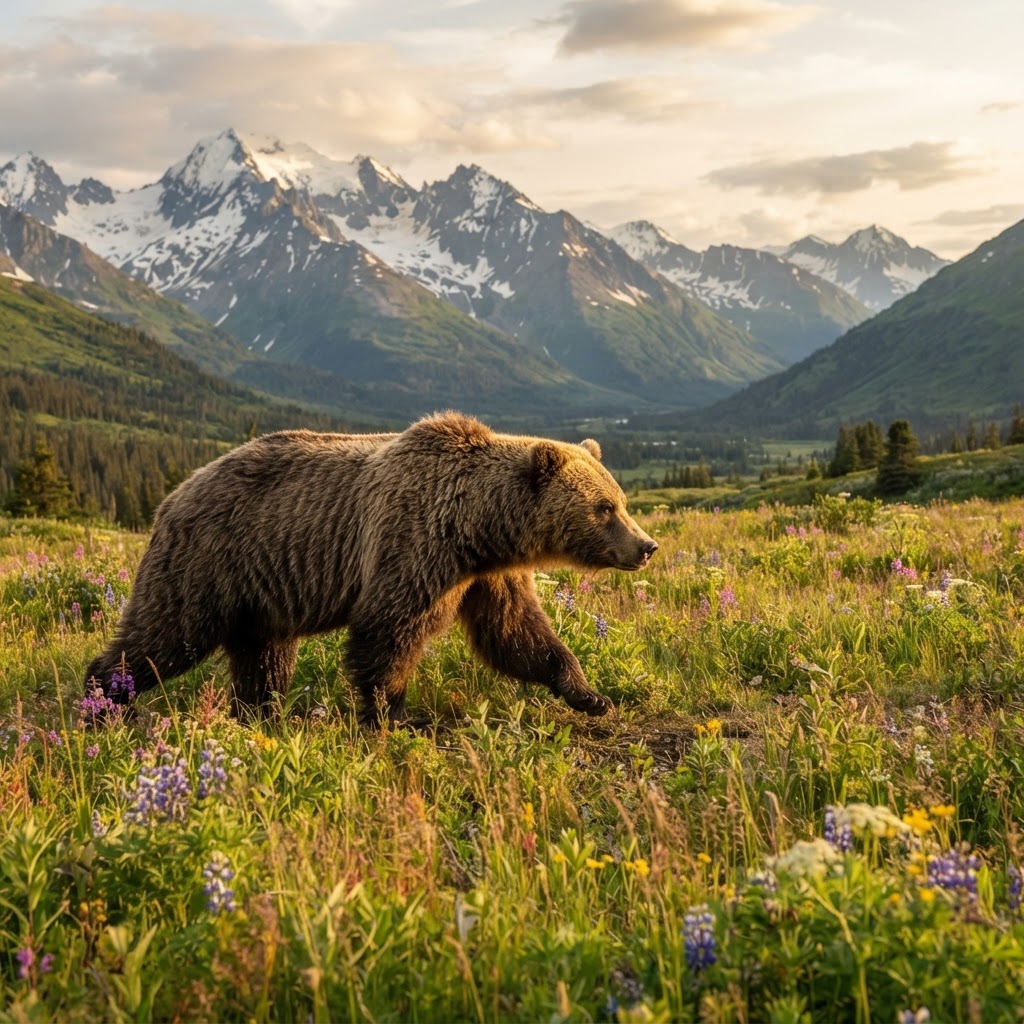
Brown / Grizzly Bear
High- Habitat
- Alaska, western Canada, parts of the northern Rocky Mountains
- Size
- 300–800 lbs (males up to 1,000+ lbs)
- Diet
- Omnivore — berries, fish, roots, small mammals
- Temperament
- Generally avoids humans but highly defensive of cubs and food. Can be unpredictable.
- How to Identify
- Prominent shoulder hump, dish-shaped face profile, long curved claws, brown to blonde fur.
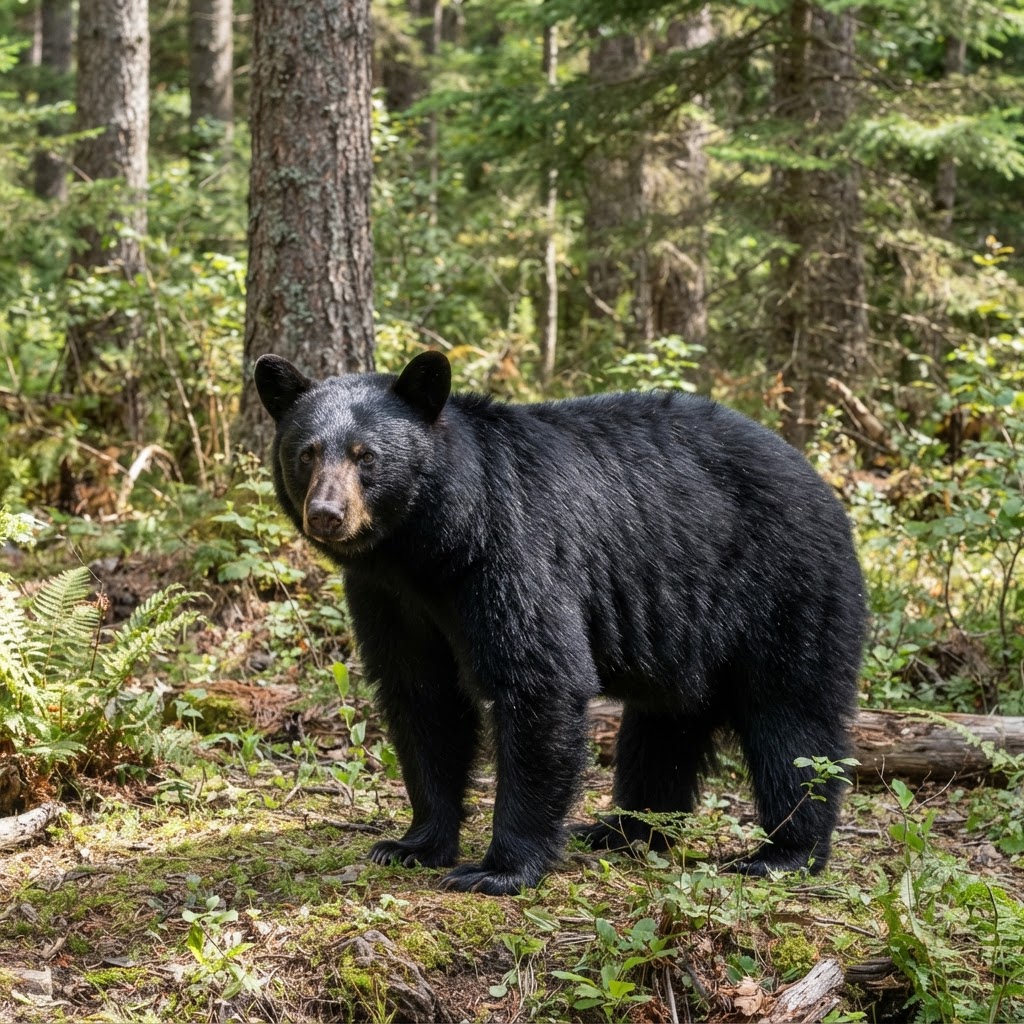
Black Bear
Moderate- Habitat
- Most widespread — forests across the U.S. and Canada, some mountain and swamp areas
- Size
- 130–500 lbs
- Diet
- Omnivore — berries, nuts, insects, occasionally carrion
- Temperament
- More likely to flee than attack. Curious and opportunistic around food.
- How to Identify
- No shoulder hump, straight face profile, shorter claws, fur can be black, brown, cinnamon, or even white (Kermode).
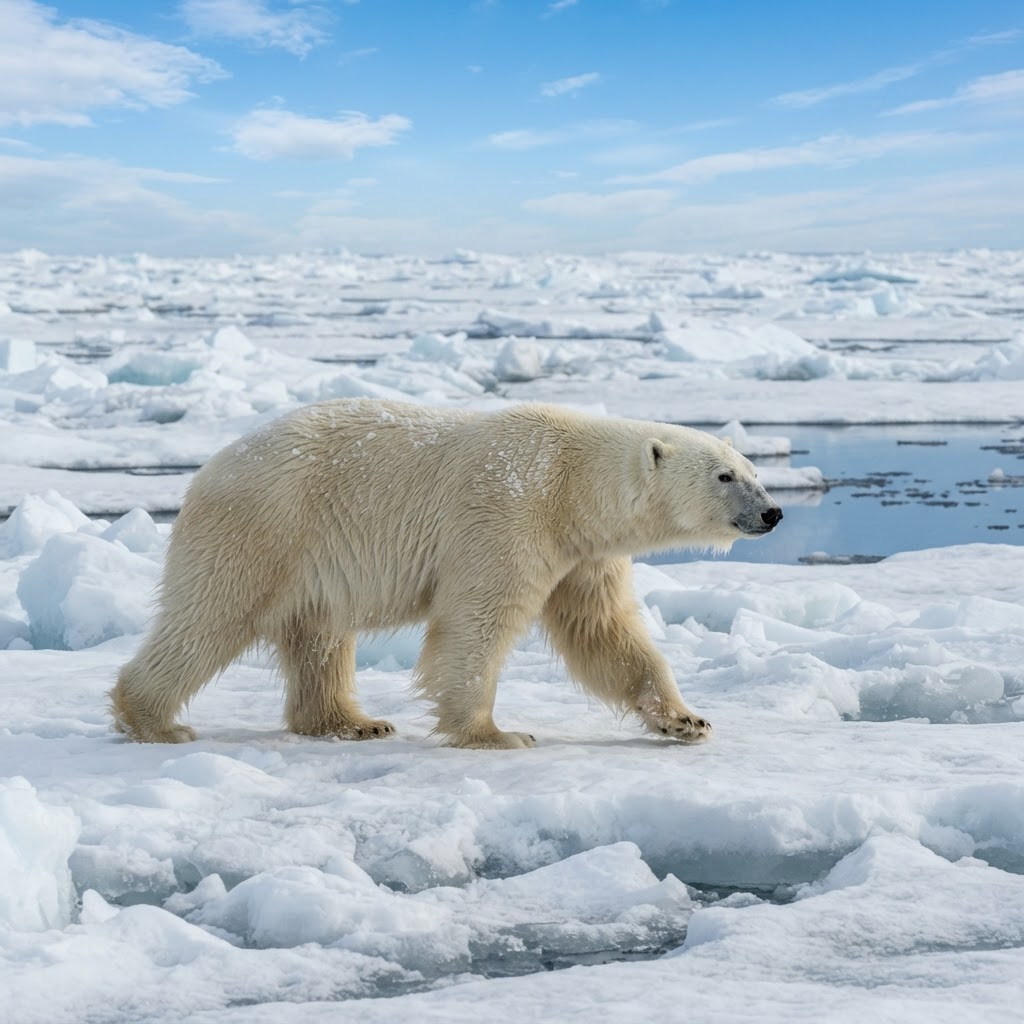
Polar Bear
Extreme- Habitat
- Arctic sea ice, coastal areas of Alaska, Canada, and Greenland
- Size
- 600–1,500 lbs (males)
- Diet
- Carnivore — primarily seals
- Temperament
- The only bear species that will actively hunt humans as prey. Extremely dangerous.
- How to Identify
- White/cream fur, long neck, small head, massive body built for the Arctic.
If You Encounter a Bear
Follow these steps in order. Your reaction depends on the species and the bear's behavior.
Stay Calm & Assess
Do not run. Identify yourself by speaking in a calm, low voice. Slowly wave your arms. Help the bear recognize you as human, not prey.
Back Away Slowly
Keep your eyes on the bear but avoid direct eye contact (which can be seen as a challenge). Back away slowly without turning your back.
Make Yourself Look Big
Stand your ground. Raise your arms, stand on a log or rock, move to higher ground. Group together with others. The bigger you look, the more likely the bear will leave.
Use Bear Spray
If the bear approaches within ~30 ft, deploy bear spray in short bursts aimed slightly downward so the cloud rises into the bear's face.
If a Bear Charges — Know the Difference
Many charges are bluff — the bear stops or veers off. But if contact happens, your response depends on the species.
Brown / Grizzly Bear
If a grizzly makes contact, lie face down with your pack on. Clasp your hands behind your neck. Stay still until the bear leaves. If it persists and attacks persistently, fight back.
Black Bear
Do NOT play dead. Fight back immediately and aggressively — aim for the face, eyes, and nose. Make yourself as large and loud as possible.
Polar Bear
Polar bears are the only bear that may see you as prey. If one approaches, do everything to deter it — yell, bang pots, use bear spray, and fight back with any weapon available.
Advice by Activity
While Hiking
- Make noise while hiking — talk, clap, or sing, especially in dense brush or near streams where bears can't hear you coming.
- Hike in groups; bears rarely approach groups of three or more people.
- Stay on marked trails and avoid hiking at dawn or dusk when bears are most active.
- Keep children close and dogs leashed — unleashed dogs can provoke bears and lead them back to you.
- Carry bear spray on your belt or chest strap, not buried in your pack.
- Be alert near berry patches, carcasses, or rushing water — all bear attractants.
While Biking
- Bikes are silent and fast — you can surprise a bear around a blind corner. Slow down and call out on blind turns.
- A surprised bear may chase a fast-moving object out of instinct. Never try to outrun a bear on a bike.
- If you encounter a bear, stop, dismount, and keep the bike between you and the bear.
- Avoid riding at dawn/dusk and on trails with fresh bear sign (tracks, scat, claw marks).
- Consider a bear bell, but know it is less effective than the human voice.
- If a bear charges, drop the bike and use your bear spray — do not try to ride away.
While Camping
- Store all food, scented items, and trash in a bear canister, bear-proof locker, or by hanging at least 12 ft high and 6 ft from the trunk.
- Cook and eat at least 100 yards from your tent, and never bring food into your sleeping area.
- Keep your campsite clean — wipe down tables, dispose of grease, and pack out all garbage.
- Change out of clothes you cooked in before sleeping.
- Sleep in a tent, not under the stars — tents create a visual and scent barrier.
- Set up your sleeping area upwind from your cooking area so food smells don't drift toward you at night.
While Canoeing
- Bears are strong swimmers — do not assume water is a safe barrier. Polar bears can swim for days.
- Store food inside a sealed dry bag or bear canister inside the canoe, not loose on top.
- When portaging, make noise on approach; bears often use the same trails and waterways.
- Camp well back from shore, and keep the cooking area away from where you beach the canoe.
- A bear on shore may approach a beached canoe out of curiosity — give them space and wait them out from on the water if possible.
- Keep bear spray accessible in a deck bag or on your person, not packed in a sealed hatch.
Bear Country Prevention Checklist
Key Reminders
Never run. Running triggers a chase response, and bears can sprint up to 35 mph.
Never approach cubs. The mother is always nearby and will defend them aggressively.
Food storage matters. Most bear encounters at camp are caused by poor food management.
Bear spray works. Studies show it is over 90% effective at stopping aggressive bears.